Culture industry: A soft power to nation’s sustainable socio-economic growth
Vietnam's cultural industry has recorded strong growth and is expected to become the next driving force of the economy.
The culture industry will become a soft power and help propel the sustainable socio-economic growth of the country, Deputy Minister of Culture, Sports and Tourism (MCST) Doan Van Viet said at a conference on September 12.
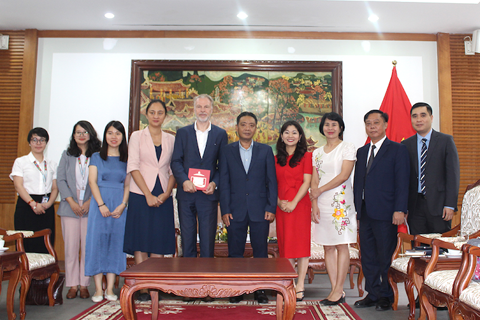
| The view of the workshop on the development of cultural industries on September 12. Photo: Lai Tan. |
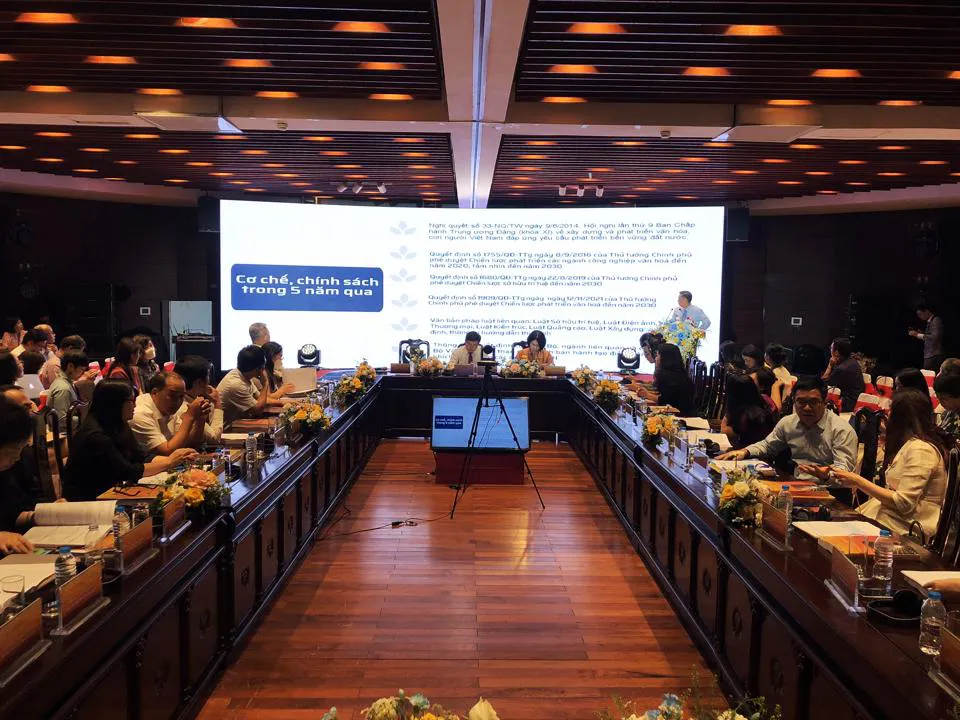
Speaking at the conference on reviewing the 2016-21 development of cultural industries, jointly held by the Hanoi Department of Culture and Sports, UN-Habitat, and Vietnam National Institute of Culture and Arts Studies, Viet said that the cost of reproduction in cultural industries is low but the growth rate is quite high (an average of 10% per year across the globe). Therefore, the culture industry is thought to become one of the spearheads in some countries.
Vietnam considers the development of the cultural industry as one of the major priorities in its development policy. The Prime Minister on September 8, 2016, issued Decision No. 1755/QD-TTg, which regulates the Strategy for developing Vietnam’s culture industry until 2020 with a vision for 2030. Under the strategy, the revenue of the culture industry by 2020 will have accounted for 3% of the total GDP and many jobs will be created.
Since the strategy came into effect, the cultural industry has turned into a driver that propels the Vietnamese economy and generates benefits for the economy and society.
Data at the workshop showed that by the end of 2018, the culture industry had brought about more than US$8 billion in revenue, accounting for 3.61% of the country’s total GDP – up from 2.68% in 2015 and reaching the targets two years ahead of the plan, as well as created jobs for more than three million people, accounting for 6.1% of the total number of employed persons in the country.
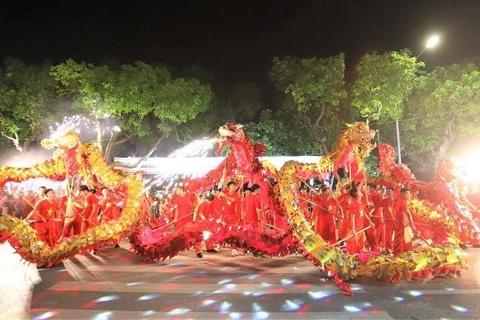
| Dragon dance performance at Hoan Kiem lake walking street. Photo: Duy Linh |
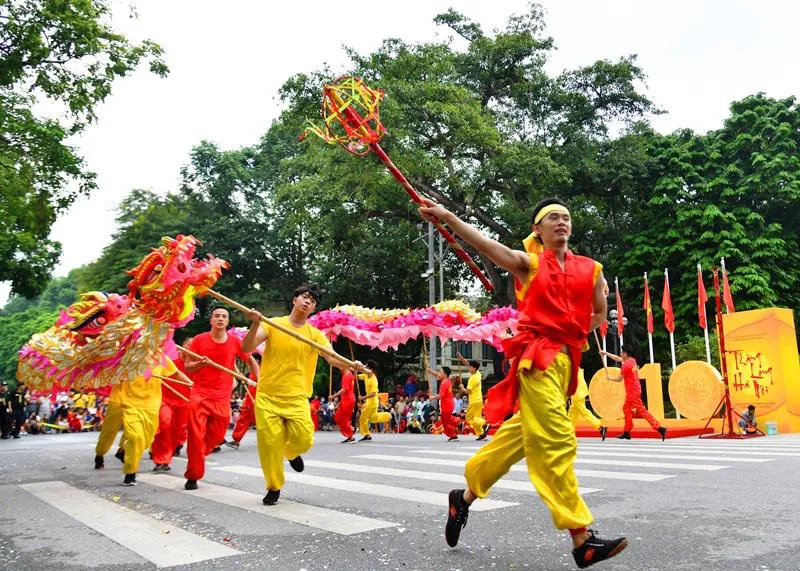
Viet said that the cultural industry sectors are interconnected and generate great values, especially the design sector, which comprises activities ranging from handicrafts, advertising, and electronic games to the processing industry, while the number of creative spaces has also increased considerably from 40 centers in 2017 to more than 200 centers to date.
The cultural industry also offers learning opportunities for many people and helps reduce the gap of intellects between regions, turning cultural heritages and values into the power that strengthens social unity, as well as expanding the network of information and resources in communities.
Cultural heritage sites are also the major source of input materials for the cultural industry's sectors such as tourism, design, performing arts, and music festivals, and increase the competitive advantages, brand recognition, and uniqueness of these industries in international markets, Viet said.
Weaknesses
It is undeniable that Vietnamese cultural industry sectors are making progress, but consumers somehow still prefer imported products, said Nguyen Thi Thu Phuong, director of the Vietnam National Institute for Culture and Arts Studies.
The domestic culture market is dominated by products that originate from Asia such as South Korea, Japan, and China, Phuong said.
One of the main shortcomings is the inefficient cooperation between the public and private sectors that drag Vietnam’s culture industries down, she said.
“Vietnam has the advantages of a rich culture, well-developed infrastructures, and nearly 200 creative hubs in the country” but private investors have not received the “green light” to make huge investments in culture sectors, she said.
“We have seen some successes with infrastructure development under public-private partnership (PPP), however, there is much to overcome to do the same with culture industry,” Phuong said.
“Culture industry sectors are performing below the expectations of transforming soft cultural resources into sustainable cultural products and services. This is a major challenge for us to seek groundbreaking and practical solutions,” she said.
| Water puppet show at Thang Long Imperial Citadel. Photo: Phuong Nguyen |
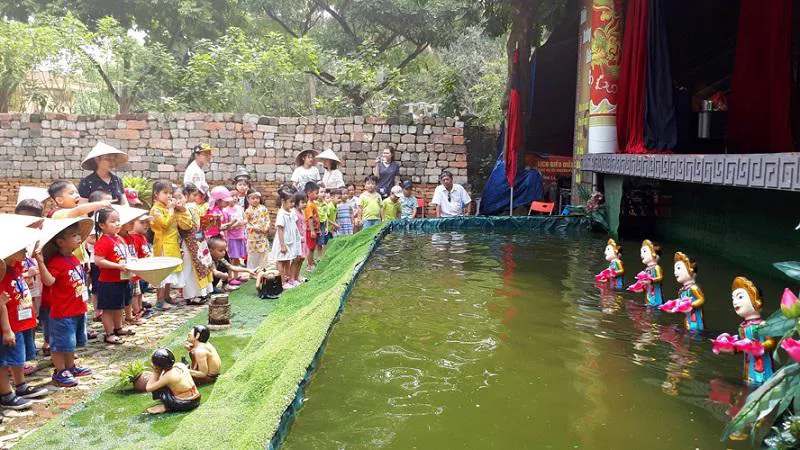
Nguyen Phuong Hoa, MCST’s Head of International Cooperation, said the Government needs to accelerate the reform and completion of regulations that integrate the cultural industry into the national socio-economic development policy.
The Government should give more power to the local authorities, make a stronger investment in cultural activities, and use financial and tax instruments to draw private financing, she said.
In addition, central and local governments need to promote digital transformation, develop a digital culture and make the best use of new communication tools, she said, adding that education and training should also be prioritized.