Hanoi embraces cashless future with marketplace innovations
The market model 4.0 is expected to be a strategic step in the development of a digital society and digital economy in the city.
With the emergence of 4.0 marketplaces and smart markets, a cashless society is becoming increasingly prevalent in Hanoi's districts and wards.
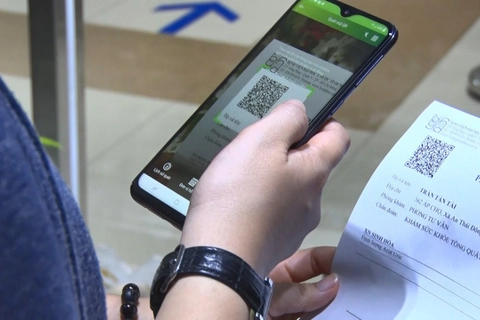
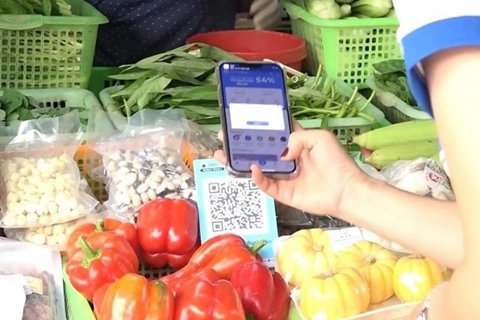
Instead of having to carry a wallet, many people now only need to bring their internet-connected phones when shopping, as most stalls in wet market areas now display either a QR code, the bank account numbers, or the e-wallet information of vendors, allowing customers to make cashless payments easily and securely.
| A stall at the Dong Xa Market, Cau Giay District. Photos: Van Nhi |
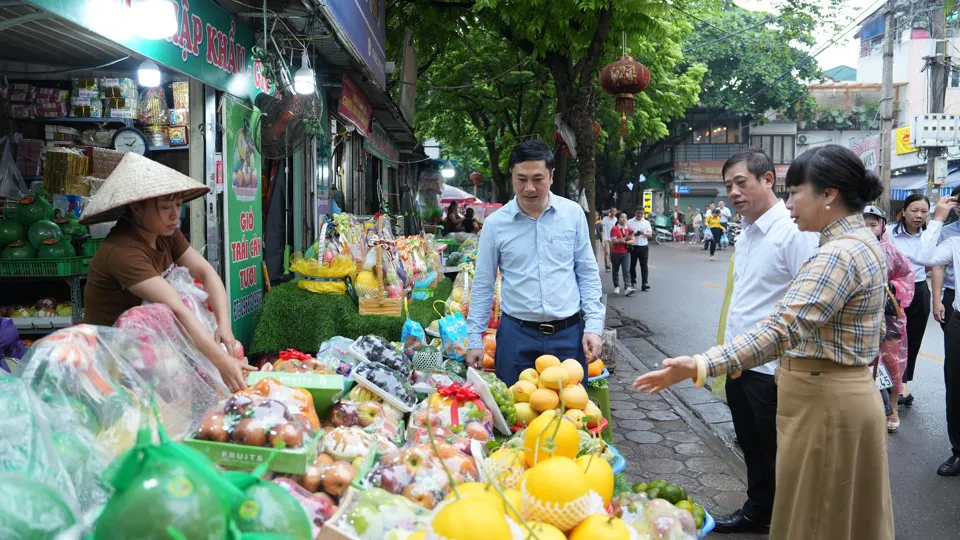
At Dong Xa Market in Mai Dich Ward, Cau Giay District, local consumers can make purchases by scanning the QR code or transferring money to the merchant's bank account. This is the 4.0 market that was launched on July 19.
Ngo Ngoc Phuong, Vice Chairman of the Cau Giay District People's Committee, said the district has adopted many innovative models and new approaches to accelerate digital transformation in all aspects of social life.
To speed up digital transformation and the growth of the digital economy in the city overall and Cau Giay District specifically, digital transformation initiatives related to trade transactions have been given priority and funding.
To be ready for the pilot implementation, the Cau Giay Market Management Board and the Mai Dich Ward People's Committee have been gradually raising awareness among the people, especially the small traders. This has created public consensus and support for the introduction of cashless payments in the market.
The Cau Giay Market Management Board has set up a market fan page to publish timely information on food quality and safety, thus gaining public trust.
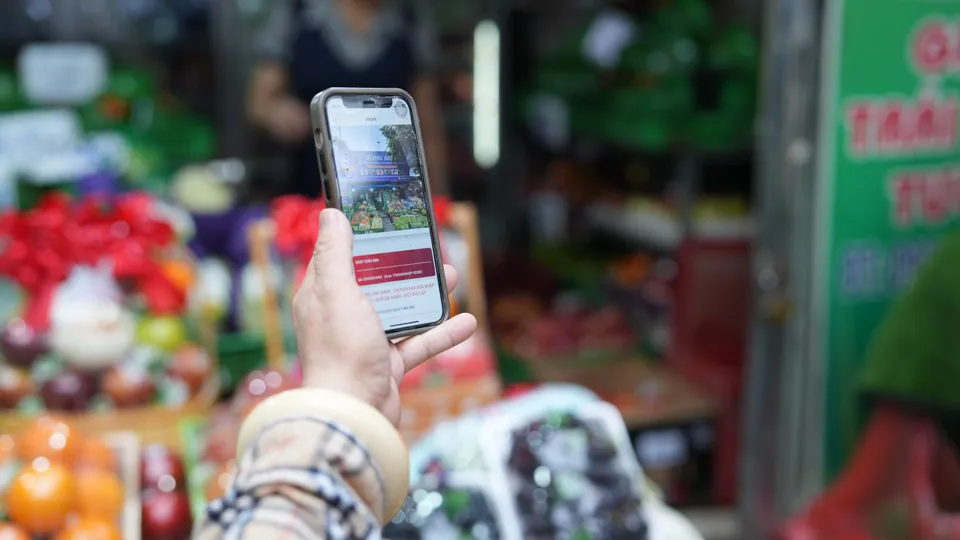
| At Dong Xa Market, customers scan QR codes to trace the origin of products. |
In Ba Vi District, the model was also implemented in June at Quang Oai Market in Tay Dang Town, where merchants display QR code for payment.
At Mo Market in Van Thang Commune (Ba Vi District), 46 stalls have QR code displays, which have helped many customers make cashless payments.
As a clothing vendor at Mo Market, Nguyen Thi Hoa said she was reluctant to switch to digital payments because she thought these methods would be cumbersome and lead to customer dissatisfaction. However, after being guided through the easy, simple, and user-friendly process, Hoa has been as supportive as her customers.
"I find it very convenient and easy to make purchases just by scanning the QR code. In many traditional markets, shoppers just need to bring their phones and buy things. Cashless payment is very easy, safe and convenient for both buyers and sellers, helping to avoid risks and mistakes," said Do Thi Thuy from Cau Giay Street, Hanoi.
Earlier, Thuong Thanh Market in Long Bien District also implemented Market Model 4.0, which has achieved positive results and received strong support from small traders in the market.
Local insiders said that the implementation and expansion of the market model will accelerate digital transformation and the application of information technology in business activities, especially in cashless payments. This model is expected to be a strategic step in the development of a digital society and digital economy in the city.