Hanoi promotes rice-growing regions for export
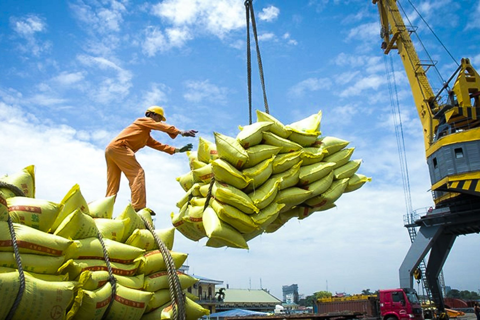
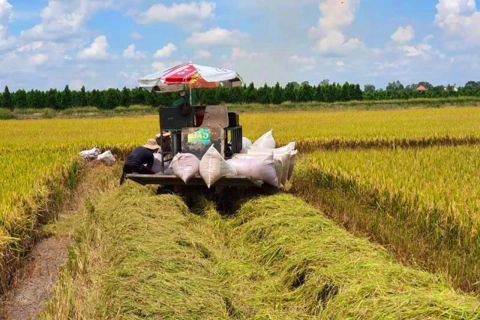
The development of export-standard rice areas plays a vital role in maintaining food security and enhancing the competitiveness of Hanoi's rice products.
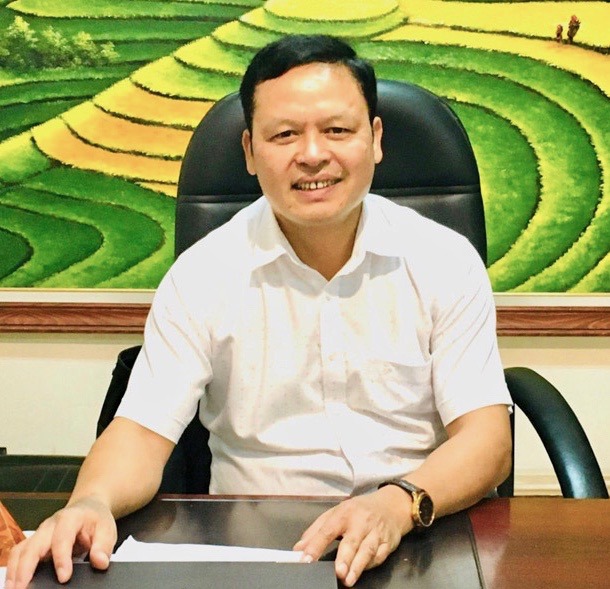
Deputy Director of Hanoi’s Department of Agriculture and Rural Development Ta Van Tuong told The Hanoi Times about the city’s ongoing efforts to promote rice-growing areas for local consumption and export.
| Deputy Director of Hanoi’s Department of Agriculture and Rural Development Ta Van Tuong. |
After more than two years of executing the strategy to cultivate Japonica and export high-quality rice, how do you assess the results in Hanoi?
The Department of Agriculture and Rural Development, in cooperation with localities, has recently prioritized the development of high-quality rice areas that meet export standards.
Alongside ensuring quality, the city has set a target yield of 5-5.5 tons per hectare for organic cultivation and 6-6.5 tons per ha for safe cultivation by VietGAP standards.
Currently, many rice production models that meet export standards are being implemented in the city. Preliminary results from previous harvests indicate that the yield of rice under safe VietGAP cultivation is 6.5-7 tons/ha, while the yield of organic rice is about 5.5-5.8 tons/ha. The farmers also highly appreciated the quality of the rice.
Therefore, the results achieved are remarkably positive compared to the objectives planned by the city. It is worth mentioning that the production conditions of many crops, especially in the spring of 2023, were unfavorable, leading to the proliferation of pests and diseases.
What are the socio-economic and environmental benefits of growing high-quality Japonica rice fields that meet export standards?
Growing high-quality Japonica rice fields brings various socio-economic and environmental benefits, especially in regions that have been merged into Hanoi following the capital's administrative boundary expansion 15 years ago. Regarding economic aspects, each Japonica rice crop yields a profit of about VND30 million (US$1,267)/ha after deducting all production costs.
Similarly, high-quality rice varieties such as TBR225, Dai Thom 8, or HD11 allow farmers to earn about VND25 million (US$1,057)/ha/crop. This is an increase of VND11-15 million ($464-633)/ha/crop compared to the other rice varieties.
The development of export-standard rice areas contributes to the production of safe products. It also plays an important role in maintaining food security and enhancing the competitiveness of Hanoi's rice products, in line with the trend of international integration.
The implementation of new production standards raises awareness among authorities and farmers about efficient land use. It encourages a shift away from old farming practices and promotes the conservation of natural enemies and the balance of ecosystems. These measures contribute to the development of sustainable agriculture.
The promotion of export-quality rice areas is closely linked to rice consumption, which is seen as a key factor for development. How is this aspect addressed and prioritized?
Consumption plays a key role in agricultural production models, especially in the case of rice. To support rice-growing areas that meet export standards, the Department of Agriculture and Rural Development has been proactively working with organizations and businesses to facilitate the purchase of products directly from farmers.
For example, in the spring of 2023, five companies partnered with cooperatives to distribute rice produced by farmers. Meanwhile, several organizations are being approached to establish collaborations and ensure the consumption of high-quality rice for the public in the 2023 season.
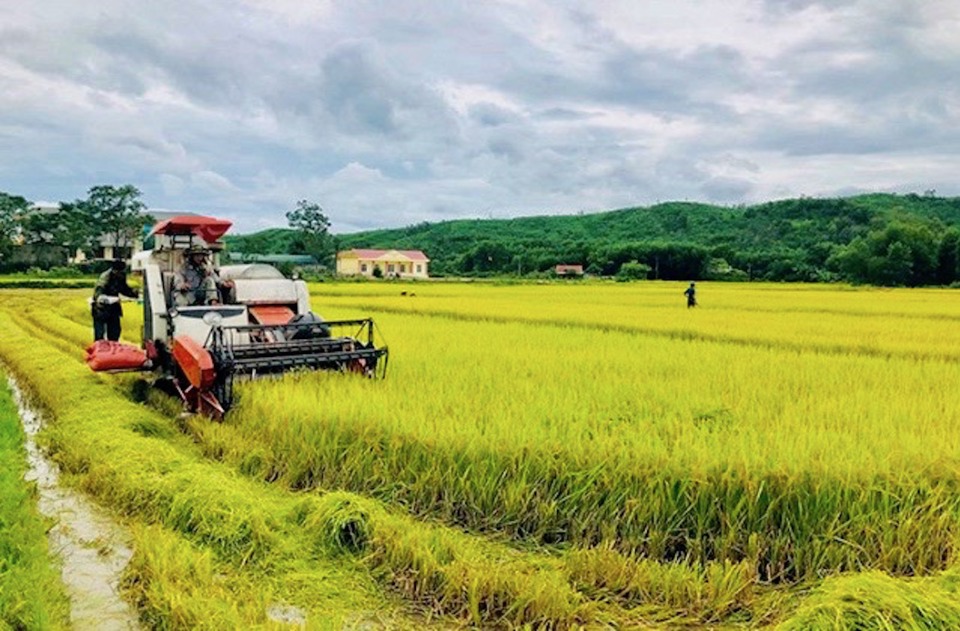
| Harvesting rice in Hanoi. Photo: The Hanoi Times |
What are the challenges in developing rice-growing areas that meet export standards and produce high-quality rice?
The current progress in implementing the city's plan to grow Japonica rice and high quality rice that meets export standards highlights certain challenges.
There are constraints in the management of the model in various cooperatives, with limited awareness among government officials and farmers in certain areas. The presence of numerous small-scale and fragmented household production adds complexity to the situation. In addition, there are cases of non-compliance with association contracts, which has a negative impact on the development of the rice value chain.
Many experts argue that in order to ensure profitability, land for rice production should be consolidated at a minimum of 10 hectares or more. What is your view on this position?
Land consolidation remains a challenging issue in agricultural production as a whole. Although there are successful models of land consolidation with high economic efficiency in districts such as Chuong My and Phu Xuyen in Hanoi, the number of such models remains small.
In my view, access to a sufficient land base is essential if substantial production is to be achieved. In this respect, the role of local governments is crucial. It is difficult for organizations and companies to acquire agricultural land directly from individual farmers. Therefore, one possible approach is for the local government, possibly through a cooperative, to facilitate land transfer through contractual agreements and then lease it to organizations and enterprises. This serves as a potential reference for local authorities to consider.
What are your suggestions for implementing sustainable solutions to effectively develop rice-growing areas that meet export standards and ensure the production of high-quality rice?
As mentioned earlier, the establishment of a well-functioning value chain is crucial. Therefore, the Department of Agriculture and Rural Development will continue to focus on branding, trade promotion and product marketing to establish sustainable rice chains between producers and enterprises.
The agricultural sector will proactively adopt new scientific and technological advances and appropriate management methods to improve the efficiency of rice production for farmers. It is essential to invest in human resource training and infrastructure development in production areas to meet quality standards and align with international integration requirements.
To achieve the goal of developing rice-growing areas that meet export standards, it is recommended that the Hanoi People's Committee continue to focus on directing and increasing investment in production support. This includes providing equipment and machinery for preservation and post-harvest processing to benefit businesses, consumers, and rice-producing areas. These efforts will stimulate consumption and increase the value of rice for farmers.
Thank you for your time!