14TH NATIONAL CONGRESS OF THE COMMUNIST PARTY OF VIETNAM
Log in
Property

Hanoi retail occupancy up on well-performed economy

Hanoi’s retail sales of goods and services in 2020 valued at VND584.7 trillion (US$25.2 billion), up 2.7% on-year.

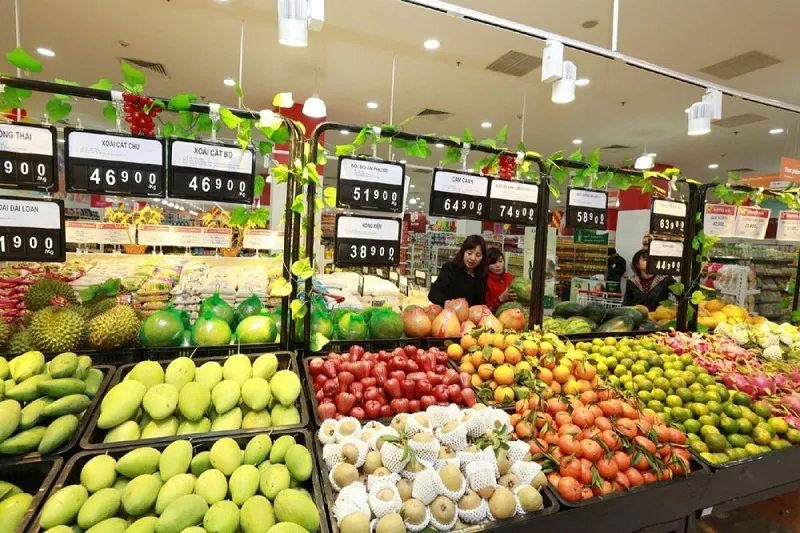
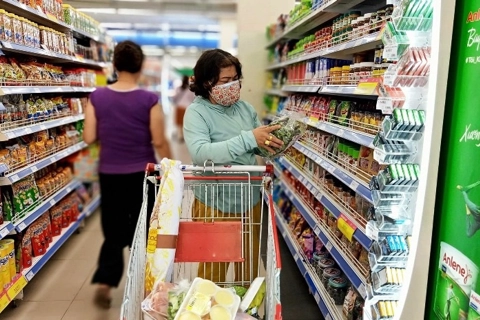
Hanoi’s retail space showed high occupancy in the fourth quarter of 2020 thanks to increasing retail sales of goods and services, Savills Vietnam has said in a recent report.

 Hanoi's retail occupancy fueled by good purchasing demand

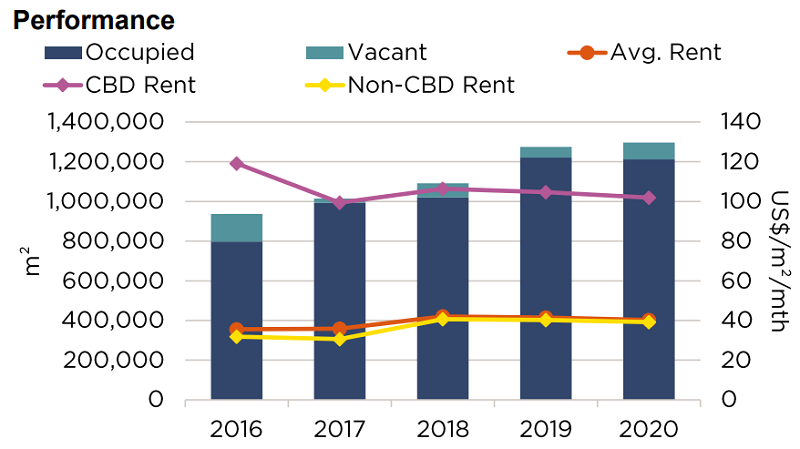
Average occupancy increased by 1 percentage point (ppt) on-quarter supported by economic indicators including a rise of 5.6% on-quarter in the city’s total retail sales of goods and services at VND162.6 trillion (US$7 billion) in the fourth quarter (Q4).

The retail sales of goods and services in 2020 valued at VND584.7 trillion (US$25.2 billion), up 2.7% on-year.

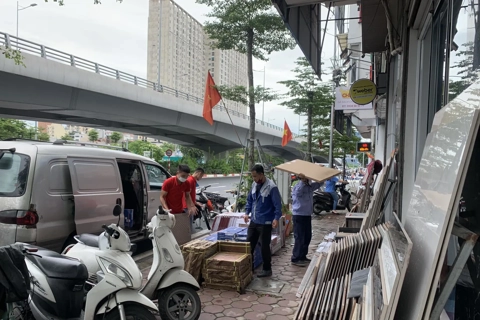
Whilst high-end brands opened new flagship stores, numerous street stores remained vacant or were converted, most noticeably in the central business district (CBD) following the sharp drop in tourists.

Occupancy and rent in Hanoi's retail space. Source: Savills Research & Consultancy

During the quarter, average ground floor gross rent rose 3% on-quarter.

Total stock increased by 1% on-quarter to approximately 1.6 million square meter (sq.m) after the launch of Vincom Mega Mall Ocean Park in the East.

Footfall is recovering but yet to return to pre-pandemic levels due to limited impulse and extravagant spend to increase savings.

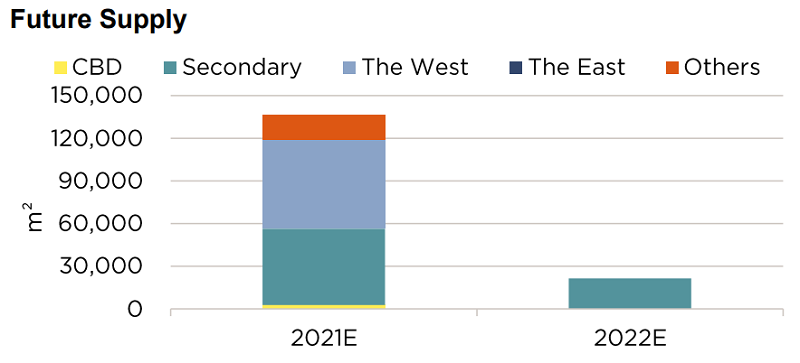
 Outlook of Hanoi's retail. Source: Savills Research & Consultancy

Outlook

Some 18 projects supplying over 158,000 sq.m are scheduled for launch by end 2022, including Vincom Mega Mall Smart City in 2021, the most significant. Continuous large supply expansion to the non-CBD might result to decreasing overall rent and occupancy.

Noticeably, e-commerce has shown robust growth and continues to change shopping behaviors. While classic retail was deeply affected by Covid-19, it enabled online opportunities in production and business.

Statistics by the Ministry of Industry and Trade showed that in 2020, e-commerce revenues in Vietnam rose 18% on-year to US$11.8 billion thanks to online purchase by 53% of the population.

The country’s e-commerce is expected to grow 25% per annum to US$35 billion by 2025 and the annual growth rate for Hanoi is 20% by the year.

Competition between foreign and local retailers will continue heating up in the course that Vietnam has extensive potential for development and will remain an attractive investment destination with its rising incomes, political stability, sizable population, and youth skewed demographics.

It looks as though Covid-19 will come to an end at some point in 2021 with the vaccine available, nevertheless it is crucial retailers prepare for relevant experiences and continuously pay close attention to sustainability, health measures, as well as flexibility and efficiency in retail channels, said Ms. Hoang Dieu Trang, Senior Manager, Commercial Leasing, Savills Hanoi.

Reactions:
Share:
Trending
Most Viewed
Related news
Hanoi retail market set to heat up

Hanoi retail market set to heat up

26 Mar, 15:56

2018 is expected to be an active year in the Hanoi retail market with a total of 157,000 sqm coming from eight under-development projects.

Tet renovation rush strains Hanoi crews, lifts finishing material costs prices

Tet renovation rush strains Hanoi crews, lifts finishing material costs prices

Hanoi’s home renovation market has entered its busiest stretch of the year, as year-end demand tightens contractor availability and raises the cost of finishing materials.

Vietnam construction materials rebound as prices rise and public investment accelerates

Vietnam construction materials rebound as prices rise and public investment accelerates

Rising steel and cement prices, stronger public investment spending and improving consumption across key material segments point to a broad recovery in Vietnam’s construction materials sector as 2026 begins.

Hanoi sets 40 sq.m housing space goal to lift urban living standards

Hanoi sets 40 sq.m housing space goal to lift urban living standards

Raising average housing space marks a people-centered shift in urban policy as the capital works to improve living standards, expand social housing and ensure that rapid economic growth goes hand in hand with safer and more livable neighborhoods.

Prime Minister urges measures to boost supplies and control house prices

Prime Minister urges measures to boost supplies and control house prices

Vietnam’s government is stepping up efforts to rebalance the real estate market as Prime Minister Pham Minh Chinh urges faster policy action to expand housing supply, address affordability pressures and ensure the sector supports both economic stability and social welfare.

Ho Chi Minh City forms first professional association for apartment management

Ho Chi Minh City forms first professional association for apartment management

Amid rapid urban growth, Ho Chi Minh City has established a professional body for apartment management, becoming the first locality in Vietnam to do so.

Real estate credit surge prompts tighter oversight to safeguard Vietnam’s financial stability

Real estate credit surge prompts tighter oversight to safeguard Vietnam’s financial stability

Vietnam’s real estate sector has absorbed a sharp rise in credit, supporting market recovery while raising concerns over capital concentration, speculative risks and the need for tighter policy coordination.

Revised housing roadmap doubles social housing targets for Hanoi

Revised housing roadmap doubles social housing targets for Hanoi

Vietnam’s push to accelerate affordable housing has significantly raised expectations for major cities, with Hanoi now tasked with delivering a far larger volume of social homes as part of the national goal to build more than one million units by 2030.

Social housing supply exceeds targets in 2025 as Vietnam tackles property imbalances

Social housing supply exceeds targets in 2025 as Vietnam tackles property imbalances

Vietnam surpassed its social housing construction target in 2025, marking progress in housing policy, but supply mismatches, high prices and legal bottlenecks continue to weigh on the real estate market.