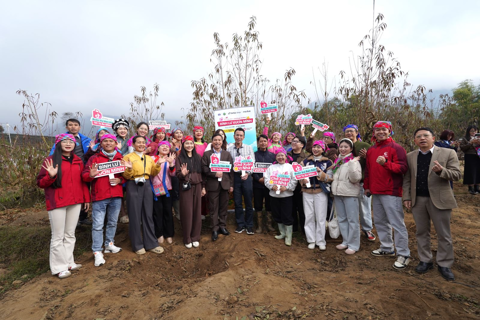
Hanoi to build more fruit brands by 2025
Hanoi's cooperatives update production methods to meet organic and VietGAP standards and establish quality-controlled production.
Hanoi plans to certify 60% to 80% of its cultivation areas for food safety by 2025, with a goal of establishing at least three new collective brands and geographical indications for banana and grapefruit-growing regions. Nguyen Manh Phuong, Deputy Director of the Hanoi Department of Agriculture and Rural Development, outlined the initiative as part of efforts to improve the quality and traceability of local produce.
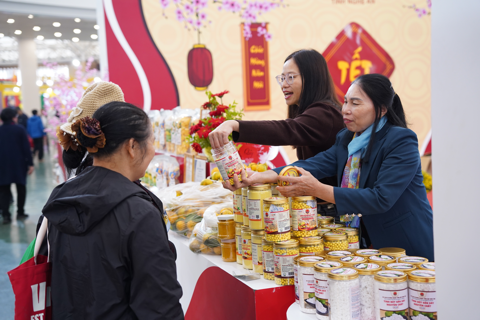
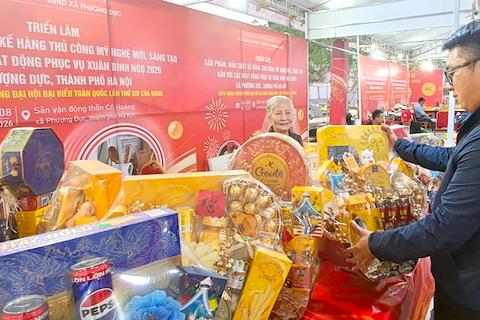
Phuong said increasing consumer awareness and sales of Hanoi's high-quality agricultural products requires trade promotion and marketing for grapefruit and bananas.
| The VietGAP banana cultivation model in Van Nam Commune, Phuc Tho District. Photo: Anh Ngoc/The Hanoi Times |
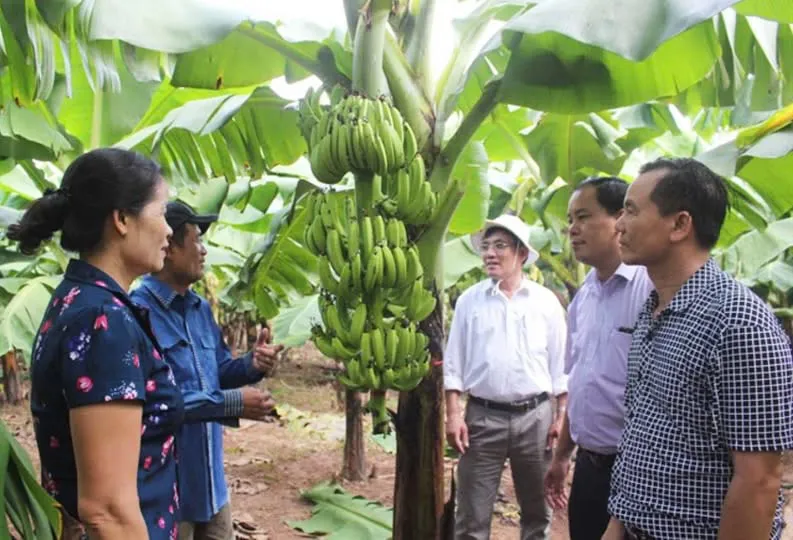
In 2024, cooperatives and farmers in Hanoi adopted VietGAP standards linked to product consumption, facilitating the expansion of safe and organic banana and grapefruit production areas. It creates integrated supply chains that leverage local strengths while improving product quality and economic efficiency.
A typical example is Thang Loi Clean Fruit and Vegetable Production Cooperative which worked with local farmers to grow bananas under VietGAP standards on a 15-hectare plot.
With support from the Hanoi Department of Agriculture and Rural Development in production processes and branding, the farmers strictly follow organic fertilization and pest control guidelines.
Truong Van Thuong, Director of the Thang Loi Clean Fruit and Vegetable Production Cooperative said that the planting area codes and strict quality control processes under VietGAP standards facilitate sales. The cooperative exports between 600 and 800 tons of bananas annually to the Chinese market.
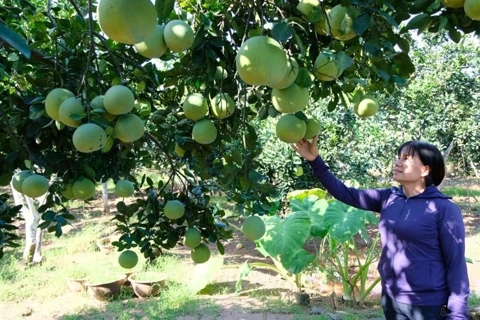
Meanwhile, Le Huu Dien, Director of the Duc Hau- Luu Quang Clean Agricultural Cooperative in Trung Hoa Commune, Chuong My District, reported that their 2.7-hectare organic grapefruit farm is expected to yield around 50,000 fruits this year. Approximately 50-60% of the production is sold to supermarkets at a price 10-15% higher than prices in other grapefruit-growing areas.
Hoang Thi Hoa, Director of the Hanoi Agricultural Development Center, said that in 2024 the center is helping farmers set up concentrated areas for bananas and grapefruit that comply with VietGAP and organic standards.
Currently, the city has 144 grapefruit and 72 banana areas cultivated under these criteria, allowing specialized agricultural areas to adopt mechanization, reducing costs and increasing economic efficiency.
To support sustainable agriculture, farmers grow grapefruit and bananas according to VietGAP and organic practices, which allows them to use land more efficiently, apply fewer chemical pesticides and fertilizers, preserve natural pest predators, and maintain the balance of the ecosystem.
Stronger business-farmer connections required
| A farm of the Duc Hau - Luu Quang Clean Agricultural Cooperative in Hanoi's Chuong My District. Photo: Thoi Nguyen/The Hanoi Times |
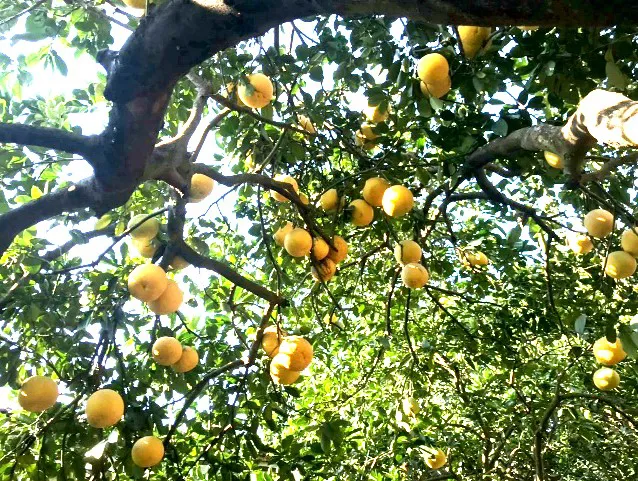
Despite better yield, challenges remain in terms of the scale of production, variety diversity, and infrastructure for VietGAP. In reality, organic banana and grapefruit models are at low levels, requiring businesses to facilitate product marketing for farmers in some areas.
To expand the areas where bananas and grapefruit are grown under VietGAP and organic standards, stakeholders need to focus on brand development and product distribution partnerships with companies, Hoang Thi Hoa said.
Nguyen Thi Van Anh, Director of Safe Food Tam Thanh Joint Stock Company in Nam Tu Liem District, suggested that local authorities should help cooperatives upgrade their production methods to organic and VietGAP standards to ensure quality control throughout the supply chain. At the same time, companies should purchase products during harvest time, with quality assurance and traceability labels.
Meanwhile, Deputy Director of the Hanoi Department of Agriculture and Rural Development Nguyen Manh Phuong said Hanoi will continue to work with localities to establish geographical indications, brands, and product labels linked to traceability codes, including QR codes, to ensure transparency in product origin. The city will also improve the registration and management of planting area codes to meet export criteria.