Ly Thuong Kiet Street renovation: Promoting and conserving architectural values
Apart from Ly Thuong Kiet Street, Hanoi focuses on studying the urban design of other important streets such as Hai Ba Trung, Phan Chu Trinh, Tran Quang Khai, Tran Nhat Duat, and Kim Dong.
As part of Hanoi's latest initiative to implement the general construction plan until 2030, the city aims to create a distinct urban area along Ly Thuong Kiet Street, with a strong emphasis on promoting and safeguarding its noteworthy architectural heritage.
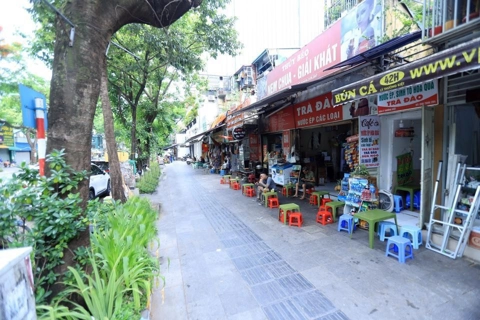
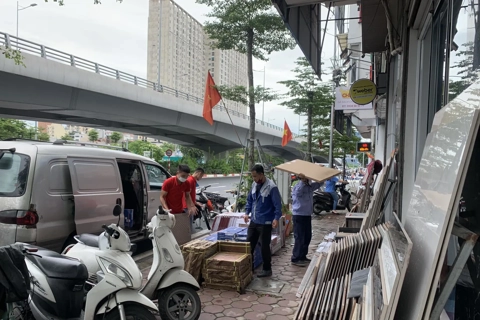
| A corner of Ly Thuong Kiet Street, Hoan Kiem District. Photo: Viet Thanh |
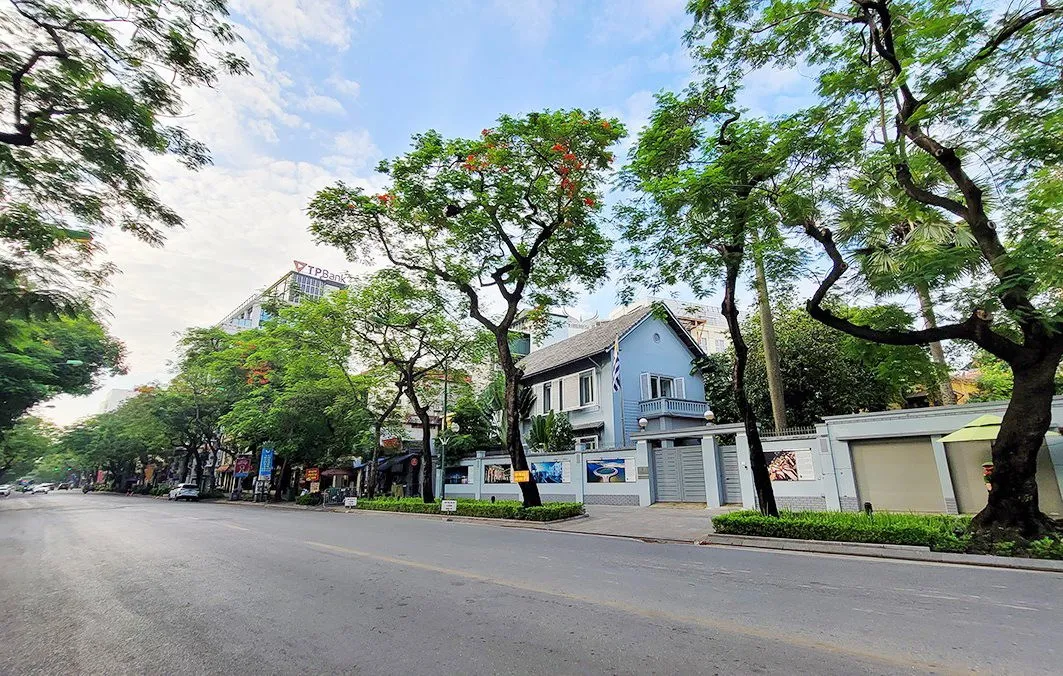
The design project serves as the foundation for revitalizing, enhancing, and expanding the current urban area while ensuring that the landscape is in harmony with the historical, cultural, and social essence of the surrounding locality.
Dao Ngoc Nghiem, Vice Chairman of the Vietnam Association for Urban Planning and Development, said the implementation of such urban design projects has been slower than desired, resulting in a fragmented and disorderly development situation.
To address this issue, Hanoi is conducting a thorough study to identify the distinct architectural characteristics of each neighborhood, such as the Old Quarter, the old town, the area around Hoan Kiem Lake, and the newly urbanized area.
“The aim is to develop tailored urban design solutions that promote cohesive management and preserve the unique identity of each area,” said Nghiem.
Nguyen Trong Ky Anh, Director of Hanoi's Department of Planning and Architecture, said Ly Thuong Kiet Street, which is about 1.8 kilometers long and 14 meters wide, is part of a network of streets that form a "checkerboard" pattern and feature a variety of architectural styles, shapes and colors.
"As one of the core streets within Hanoi's historic downtown and French architectural districts, Ly Thuong Kiet Street plays a key role in defining the main architectural character of these areas. Establishing a comprehensive urban design plan for this street is seen as an essential step to address current challenges and meet future development needs, ensuring alignment with practical requirements," said Anh.
The variety of architectural styles, shapes, and colors along the street has resulted in a lack of a calculated and unified architectural language. High-rise buildings lack a harmonious rhythm, and spatial transitions lack clear principles. The overall landscape design also lacks synchronization, leading to disorder in certain areas and negatively affecting the overall urban aesthetic, Anh continued.
As the designated body responsible for the design project, Hoan Kiem District People's Committee Chairman Pham Tuan Long sees this as an opportunity to propose solutions to improve existing urban areas, with a focus on preserving, beautifying, and promoting architectural heritage.
"The goal is to identify strategic locations for architectural highlights and spaces to create a coherent urban identity along the entire route, ensure harmonious integration with neighboring areas, and garner support from the local community," Long said.
Taking concrete steps
Urban design plays a pivotal role in Hanoi's comprehensive planning and architectural management, serving as a crucial tool to regulate construction investment projects, landscape management, and work permits on various streets throughout the city.
Apart from Ly Thuong Kiet Street, Hanoi is also focusing on studying the urban design of other important streets such as Hai Ba Trung, Phan Chu Trinh, Tran Quang Khai, Tran Nhat Duat, Kim Dong, and others.
This approach, said Anh of the city's Department of Planning and Architecture, is essentially a management tool for shaping the city's architectural and landscape features.
In the case of Ly Thuong Kiet Street, Pham Tuan Long, Chairman of the Hoan Kiem District People's Committee, emphasized that the urban design project is an important step in the implementation of the H1-1C urban subdivision plan, which covers the historic downtown area and 11 districts of Hoan Kiem District, as approved by the City People's Committee in 2021.
This area contains many historical, cultural and architecturally valuable structures dating back to the French era, which have been mainly preserved and protected over the years.
"Therefore, the main focus of the project will be to find solutions to harmoniously organize the architectural and landscape space, ensuring a seamless integration between the newly developed areas and the urban revitalization and reconstruction zones, while preserving the architectural structure of the old French street," said Long.
Architect Dao Ngoc Nghiem stressed that for streets with established functions in the city center, the project must explicitly define urban space criteria on both sides, average building heights, and specify detailed architectural forms for individual projects.
"The urban design project must also include regulations on trees, topography and technical infrastructure. Thus, the project will include a wealth of detailed and specific content that requires careful study and adequate resources for successful implementation," Nghiem said.
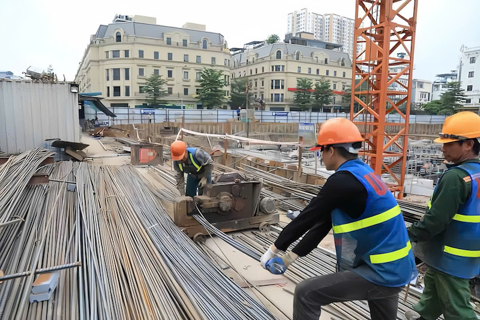
Since the 2000s, Hanoi has conducted urban design studies for prominent streets such as Ba Trieu, Phan Chu Trinh, Ly Thuong Kiet, and Tran Hung Dao, aiming to achieve a harmonious and well-calculated urban rhythm. However, due to the different ownership structures of the properties on both sides of these streets, it has been difficult to determine the necessary resources for implementation, which has hindered the realization of the planned research concepts.
Experts emphasize that the key priority for the Ly Thuong Kiet Street urban design project is to clearly define the resources available for implementation. In particular, if it proves difficult to allocate sufficient capital to meet all project criteria, the focus can be shifted to prioritized aspects, such as the efficient use and utilization of sidewalks, among others. In this way, tangible progress can be made even when full implementation may be constrained.