Taxing vacant property key to address speculation: Experts
A higher tax rate for land use proposed by Hanoi's authorities would naturally reduce speculation and hoarding of land resources, in turn ensuring the healthy development of the real estate market.
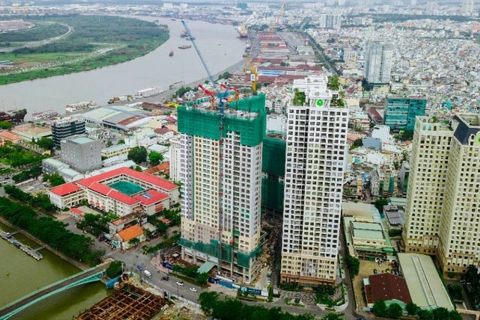
Taxing vacant lands and properties would help generate additional revenue for the state budget to be reinvested in social infrastructure development while addressing property speculation that is causing unreasonable price hikes and instability in the real estate market.
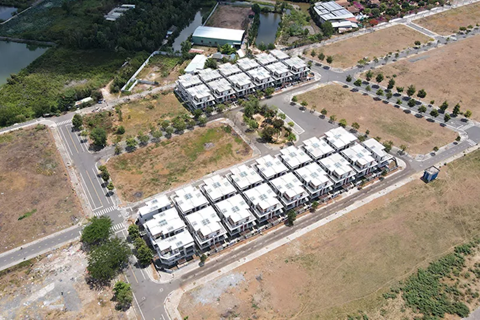
| Vacant properties in Me Linh District. Photo: Doan Thanh |
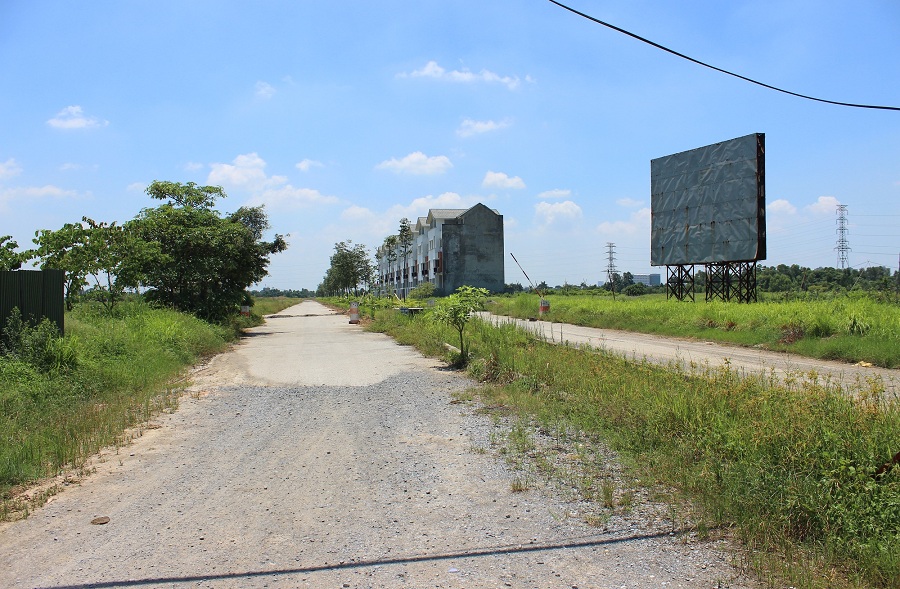
A report from the municipal People’s Council revealed 390 infrastructure projects suffering delays in implementation from 2018 – April 2021. Of the total, 66 have not been handed over lands for construction, and the other 324 receiving lands slower than scheduled.
Since 2018, 90 projects have not fulfilled their respective financial obligations, in which 37 were behind on land use rights payment, for a total amount of VND2 trillion (US$87 million). The majority of these projects are in districts such as Me Linh, Hoai Duc, Hoang Mai, and Nam Tu Liem, in which Me Linh has the highest number of 47 with a scale from 10 to 100 hectares per projects, covering a total area of 2,000 hectares.
Projects such as Viet A residential area, Cienco 5, Ha Phong, Minh Giang Dam Va, Minh Duc, AIC Me Linh, have been left unfinished for over a decade, causing a huge waste of land resources.
Abolishing regulation on land prices
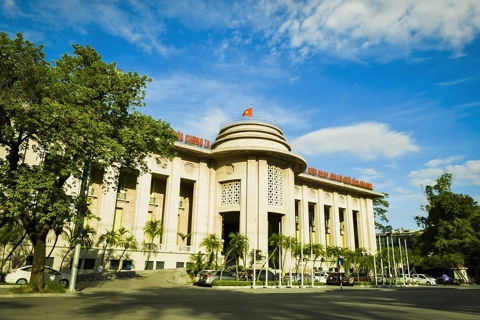
As thousands of hectares of land are left vacant for a long period of time, the Hanoi People’s Committee has proposed the Ministry of Finance tax or penalize owners of such properties and projects.
Under the plan, villas that have been left unoccupied for over three months would be subject to a tax rate of 5% of the total contract value, and the rate would go up to 10% for vacancies of over a year.
Meanwhile, owners of such properties would be penalized for VND10-20 million (US$434-868) per house, while people buying a second house may face a progressive tax.
“The lack of legal framework overseeing speculative land resources are causing rampant vacancy of properties nationwide,” architect Tran Huy Anh told The Hanoi Times.
“On the other hand, state agencies do not have the sufficient fund to invest in public infrastructure,” he noted.
“From international practice, Hanoi’s authorities are moving in the right direction, as unoccupied properties should be subject to tax payment significantly higher than those being put into use,” Anh continued, saying this would resolve the issue of real estate speculation.
Professor Dang Hung Vo added the fact that land use tax at only 0.03% is the main reason for land waste.
“In other countries, property tax should be at least from 1%, as tax revenue is later used for infrastructure development and provision of public services,” Vo told The Hanoi Times.
Vo also pointed out the lack of transparency in land prices and the significant difference between state agencies’ land valuation and the actual market price, saying these issues are causing severe consequences to land management and the prospect of the real estate market.
“The state may consider abolish regulation on land prices reference and use the market price as reference for taxation,” he noted.
“Higher tax rate would naturally reduce land speculation and hoarding, in turn ensuring the healthy development of the real estate market,” Vo continued.