Tourism revival blows fresh air into Vietnam estate market
This year, Vietnam targets to welcome 65 million tourists, including five million from aboard, for revenue of VND440 trillion ($19.2 billion).
The Government’s decision to reopen the border for foreign tourists has brought positive signals to the tourism and resort real estate market.
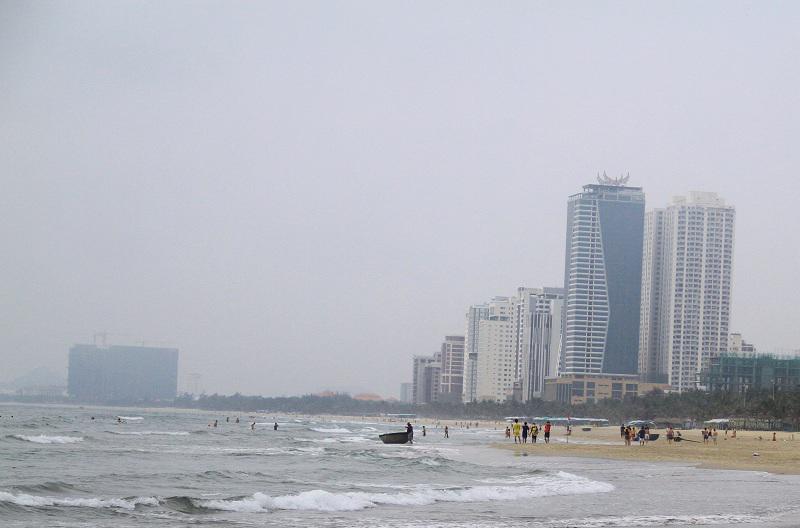
| Tourism is set to review the real estate market. Photo: Doan Thanh |
Figures from the General Statistics Office (GSO) revealed the number of international tourists coming to Vietnam in February rose by 170% year-on-year, thanks to the Government’s pilot program of resuming international flights.
For the two months, the number of foreign tourists to Vietnam was estimated at 49,200, up 71.7% year-on-year, 88% of them came by air.
This year, Vietnam targets to welcome 65 million tourists, including five million from aboard, for revenue of VND440 trillion ($19.2 billion).
“Covid-19 would only paralyze the tourism sector temporarily, as once the situation is put under control, it is set to boom, as travel is an essential need for the people,” said Dinh Ngoc Duc, director-general of the Tourism Marketing Department under Vietnam National Administration of Tourism.
Such a bright forecast is not only good news for the tourism sector, but also for the resort real estate market, which has suffered serious blows from the pandemic for the past two years.
Experts suggested at a time when the stock and gold markets are going through a volatile period, the value of cryptocurrencies going down and the bank interest rate remains at a low level, the real estate market, especially tourism-resort projects, has emerged as an attractive option.
Challenges remain
The sector, however, also faces challenges that need to be addressed for sustainable development, said Dr. Nguyen Quang Tuyen from the Hanoi Law University.
“Many investors into condotel are facing legal issues, including the lack of regulation on the issuance of land rights certificate for tourism-resort properties,” Tuyen told The Hanoi Times.
Tuyen called for greater efficiency in state governance in the real estate market, which could be done by revising the Land Law 2013, Housing Law 2014, and the Real Estate Trading Law 2014, focusing on making clear regulations on the trading of resorts and tourism properties.
He also stressed the importance of incorporating the trading and management of resort properties to the issue of environmental protection.
“The Government may consider providing incentive policies for green tourism-resort products, or encourage the adoption of circular economic models by the businesses of tourism real estate,” Tuyen said.
As the Government is under the process of revising the Tourism Law 2014, Tuyen expected the law to stay consistent with other sets of regulations to create a transparent and healthy competitive environment in the tourism-resort real estate market.
“This would ensure fair treatment for different actors in this market segment,” he said.
| “The Government’s determination to bring back normality to the economy has brought renewed optimism in the recovery of the real estate market, including the resort-tourism real estate segment, for businesses and investors. This year would be a key period for the market to recover despite existing challenges,” Nguyen Van Dinh, chairman of the Vietnam Association of Realtors. |