Upcoming $15.4-billion support program to bring hope for the economy: Experts
The economy faced severe consequences from the pandemic posting a modest 2.58% GDP growth in 2021. Drastic measures, therefore, are required to ensure the economy’s speedy recovery.
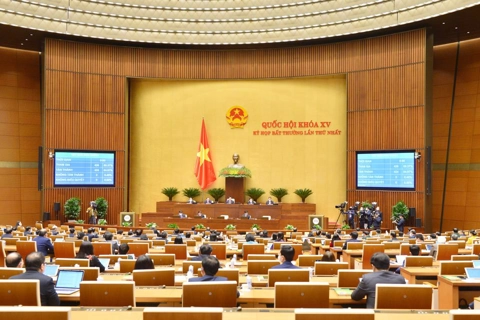
Economists and experts told The Hanoi Times of the significant impacts of the large-scale socio-economic recovery program worth VND350 trillion ($15.4 billion) ratified by the National Assembly during an irregular session held in early 2022.
National Assembly Deputy Nguyen Minh Tam (Quang Binh Province): Necessity to create breakthroughs in recovery
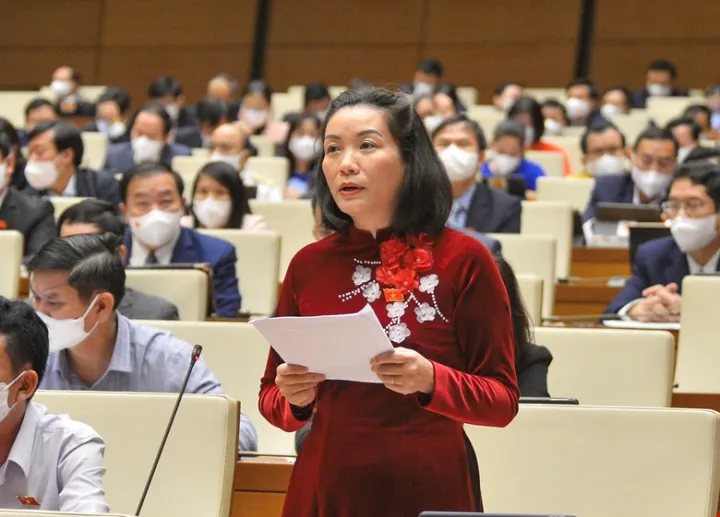
The National Assembly’s issuance of a resolution for Vietnam’s largest to date socio-economic recovery program for me is a historical decision that proves to be timely support for the economy and create momentum for socio-economic development in the 2021-2025 period.
The duration of the program, scheduled to be in the 2022-2023 period, is appropriate, but the question remains whether the economy can fully absorb such a policy to its maximum efficiency, especially in infrastructure development with existing complicated procedures.
Therefore, there should be a suitable validity period for each project under the program. I expect it would provide much-needed assistance for businesses and individuals affected by the pandemic, especially monetary support, including low-interest rates. The program covers many fields, including tourism, healthcare, so there should be comprehensive support for the economy to recover sustainably.
The Government should take a cautious approach in identifying the sectors hardest hit by the pandemic to prevent the program from being counterproductive, leading to the heating up of the real estate, or security markets.
Tailor-made programs for fields such as healthcare, transportation, and agriculture, should serve as the foundation for a speedy and sustainable economic recovery.
In the manufacturing sector, it is essential to boost vaccination for workers to avoid disruption, while the Vietnam Bank of Social Policies should further expand the scope of preferential loans to middle-income groups with high demand for capital, seen as a driving force for growth.
Vice-Chairman of the Vietnam Association of Small and Medium Enterprises (VINASME) To Hoai Nam: Cautious approach required in calculating stimulus packages
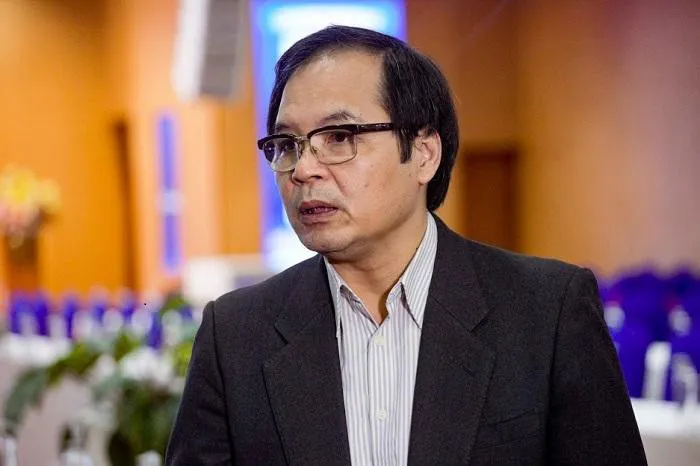
A resolution on a socio-economic support program worth up to VND350 trillion was the right decision. It is necessary for the economy as it consists of various measures, from an economic recovery, market creation, to intervening business/production activities to boost growth.
The market at this moment needs drastic solutions to boost domestic consumption, so the stimulus package is significant for the business community.
Meanwhile, the most important factor for the economy is to ensure stable macroeconomic conditions, as inflation risk would be a major source of concern in case any stimulus package is launched.
The support program should be thoroughly considered in terms of scale to ensure the intended purpose for beneficiaries.
Small and medium enterprises (SMEs) expected the Government and the National Assembly to promote investments in fields of transportation, irrigation, and agriculture. Effective investments in these fields, especially in infrastructure, would bring huge benefits for SMEs, or even micro-sized ones, and ultimately for the economy.
On the other hand, the SMEs are currently employing a huge amount of workforce, so once the business community absorbs benefits from the stimulus program, there would be a positive impact on the labor market and ensure social welfare.
I expect the program would further stabilize and support the labor force in the private sector.
National Assembly Nguyen Nhu So: Nurturing businesses is key
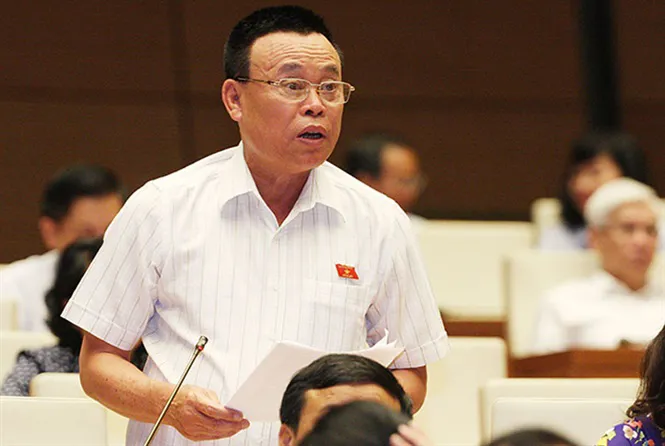
In 2021, the agricultural sector had been a pillar of the economy and contributed 13.97% to the overall growth. It is, however, facing severe impacts from the pandemic, especially the ongoing trade congestion at Vietnam-China border gates.
There should be more supporting policies in terms of interest rates to continue the restructuring of the agricultural sector towards modernization and promoting trade via official routes.
I expect support policies to be more selective during the recovery phase, with a focus on large-scale enterprises and high spillover effects to other sectors of the economy.
Core enterprises in different supply chains would help raise demand for the labor market and support social welfare. Financial support for unemployed workers is only a temporary solution, and the radical one would be to nurture enterprises to fully address the social welfare issue.
The State Bank of Vietnam (SBV) has been active in managing the monetary policy to address difficulties for businesses and people, but the impacts remain modest as the interest rates are at a high level and bad debts are rising.
This time, the support programs should be more specific and effective for better absorption capabilities from businesses.
I do not doubt that the programs with high spillover effects would create the foundation for Vietnam’s economic development in the coming time, in turn creating the momentum for GDP growth at 6.5-7% during the 2021-2025 period.
National Assembly Deputy Vu Tien Loc: Non-financial support required
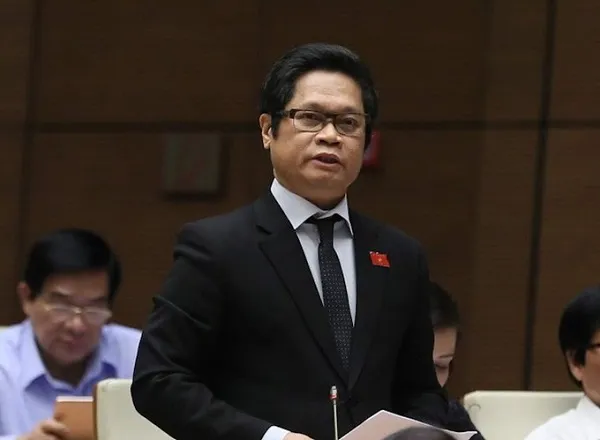
The structure of the support program is suitable for the absorption level of the economy, as well as with the size of the local financial system.
In the current context, the utmost priority for Vietnam’s economy is to ensure stable macroeconomic conditions and the safety of the financial market.
In the past two years, the state budget and monetary policies have been instrumental to support the economy. But further easing lending criteria would lead to high risk to the banking system.
I agree with the Government’s stance of turning to flexible but cautious policies. In this case, a credit support program to cut the average lending rate by 2% is the right move. Effective implementation of these programs would help inject a large inflow of capital up to billions of US dollars into the economy and create a positive impact for businesses.
The key factor is to ensure this capital is channeled to enterprises with high potential and competitiveness, but are facing temporary difficulties. This is a decisive matter for credit policy.
However, this is just a supporting policy, and therefore, a comprehensive solution is required, including non-financial instruments, such as a gradual reopening of the market, accelerating administrative reform, and trade promotion activities.
Government agencies should put in place measures to enhance the capabilities of businesses, as their absorption level would depend on their capabilities and the nature of the Government’s programs.