Vietnam commits to maintaining open economic policy: PM
An open policy would keep the country's economic stability amid growing global uncertainties.
Vietnam is committed to promoting an independent and self-reliant economy while deepening global integration.
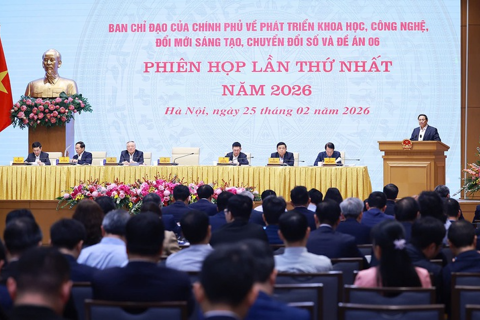
| Prime Minister Pham Minh Chinh at the forum. Source: VGP |
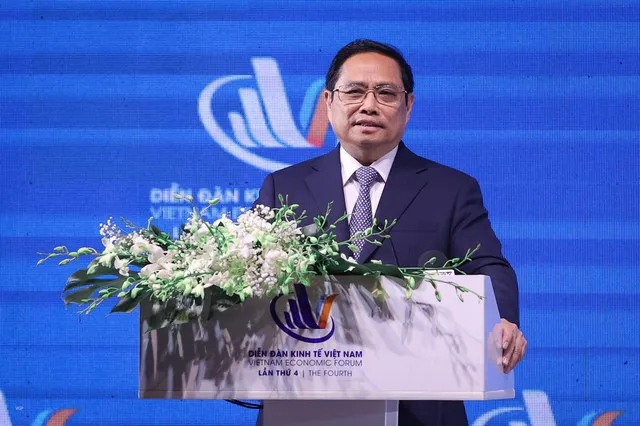
“Such an open economic policy would create the foundation for long-term development and cushion potential shocks in the future.”
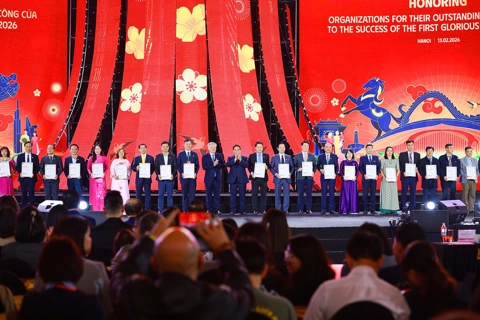
Prime Minister Pham Minh Chinh stressed the goal at the Vietnam Economic Forum held on June 5.
According to Chinh, an independent economy is a prerequisite for global integration, on the other hand, active integration into the world economy would bolster the country’s internal economic strength.
“The major benefit of such a policy would be the ability to keep economic stability amid growing global uncertainties,” he added.
“35 years since the Doi moi (renewal), Vietnam has experienced multiple economic turbulence, especially in the past two years of the pandemic, but stability has been maintained,” Chinh said.
Sharing the prime minister’s view, ADB’s Country Director in Vietnam Andrew Jeffries noted Vietnam’s economy is in a favorable position thanks to low public debt and positive GDP growth in 2021.
Jeffries added that Vietnam had not utilized fiscal policy extensively, which is a major issue for developing countries during this difficult period.
The dean of the Fulbright School of Public Policy Management, Vu Thanh Tu Anh, said Vietnam's most important success has been managing to maintain macroeconomic stability in a volatile world.
Anh noted that 2021 was the first after 25 years the world underwent an economic recession, but Vietnam was able to maintain stability, which is in stark contrast with previous recessions when the country was much more vulnerable to external shocks.
“This is the evidence of Vietnam’s higher economic resilience and high preparedness,” he said.
| Overview of the forum. |
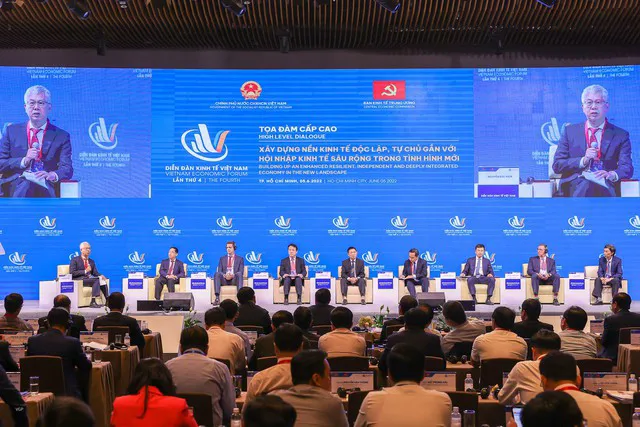
Steps to move forward
To ensure the country’s economic independence and active integration in the long-term, Prime Minister Chinh called for the necessity to protect territorial sovereignty and deploy an independent foreign policy, focusing on multilateralism and being an active member of the global community.
Chinh emphasized the importance of reinforcing both internal and external strength of the economy, in which the former would consist of the people, nature, historical and cultural traditions; and the latter of economic integration policy, and international experience in corporate and state governance, and capital mobilization from abroad.
Meanwhile, Chinh asserted Vietnam would keep implementing flexible monetary and fiscal policies to keep macroeconomic stability and inflation under control.
“The Vietnamese Government continues to restructure the economy along with a revision of the growth model based on digital transformation, innovation, and higher climate resilience,” Chinh said.
The prime minister added three main pillars in the restructuring process, namely greater efficiency in public investment; reorganizing the financial market with the priority of addressing weak banks, and reshuffling state-owned enterprises.
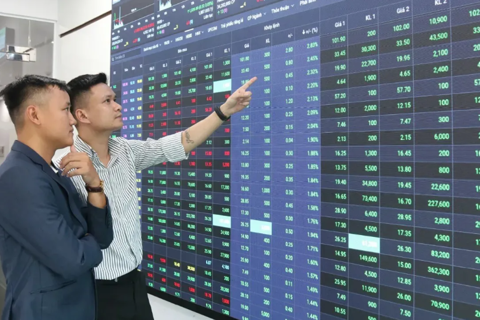
Regarding the capital market, Chinh noted it's normal that the market experiences turbulence during its development process, but the important point would be to timely identify and address weaknesses to ensure the market's healthy development.
Chinh stressed the impact disciplinary measures may have on the market in the short term but would bring benefits in the long term.
“Vietnam would not criminalize economic offenses,” he noted.
Chinh also called for foreign investors to continue expanding business activities in Vietnam, for which the Government would continue to ensure a favorable legal environment for all market actors.
“The Government is committed to ensuring lawful rights of investors,” Chinh said.
Economist Tran Dinh Thien, former director of the Vietnam Economic Institute identified challenges for the economy, such as conflicts between superpowers; disruption of supply chains, China’s pandemic situation, and the Western sanctions on Russia.
ADB’s country director Jeffries expected an economic slowdown in China and the US would be a risk to Vietnam, given their status as Vietnam’s major partners.
In this context, Thien urged Vietnam to diversify the export market beyond these two countries to enhance economic resilience.
“Vietnam should further enhance its role in the global supply chain and shift focus on attracting high-quality FDI projects,” Thien said.
In addition, Thien noted Vietnam should stay cautious about public debt and keep a flexible fiscal policy, due to its high-level of economic openness.
The Resident Representative of IMF in Vietnam Francois Painchaud suggested the Russia-Ukraine conflict may lead to a decline of 0.5 percentage points in Vietnam’s GDP growth and a 0.8 percentage points increase in inflation.
Painchaud recommended Vietnam continue keeping macro-economic stability along with administrative reform efforts for greater transparency.