14TH NATIONAL CONGRESS OF THE COMMUNIST PARTY OF VIETNAM
Log in
Property

Vietnamese Gov't to pilot rezoning for commercial housing

The initiative aims to facilitate the development of housing, given the scarcity of land available for commercial housing projects.

The Vietnamese Government has proposed the rezoning of land from other uses for commercial housing and plans to submit this proposal for approval by the National Assembly at the ongoing 7th session.

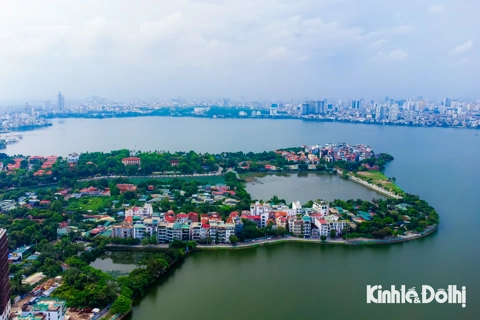
 A commercial housing project in Hanoi. Photo: Pham Hung/The Hanoi Times

According to a resolution dated May 28, the Government seeks to draft a National Assembly resolution on piloting the rezoning of land from other uses for commercial housing.

Under the Land Law 2024, developers can only acquire land zoned for residential use to carry out commercial housing projects. However, in reality, no household or individual plot is large enough, as the maximum plot size is 400 square meters. Only enterprises or organizations with residential or other land use can change their use to commercial housing.

Many experts argue that this regulation could benefit units already holding commercial land reserves, enabling large-scale urban and housing developers to dominate the market. On the other hand, limiting the types of land available for commercial housing projects may prolong the shortage of supply, complicating the real estate business.

To improve the housing supply, the Ministry of Natural Resources and Environment proposes a pilot scheme to rezone land from other uses to commercial housing over a five-year period, starting from January 1, 2025.

The Government plans to submit this draft resolution to the National Assembly for approval during the ongoing 7th session.

The draft resolution identifies three uses of land for pilot rezoning: urban land, land for urban development, and land owned by enterprises that have paid land use fees, rented land, or have been forced to relocate due to environmental pollution or inappropriate planning.

These pilot rezoning projects will account for up to 30% of the total number of projects and the total land area needed for housing development by 2030. The list of pilot projects will be approved by the provincial People's Committee, adapted to local conditions, and ratified by the People's Council.

At a meeting on May 27, Deputy Minister of Natural Resources and Environment Le Minh Ngan stated that the pilot projects must comply with land use, urban, and construction planning. These projects must also be included in the local development plan and their land use rights agreements must be approved.

Deputy Prime Minister Tran Hong Ha emphasized that the pilot is intended to address projects facing policy and legal challenges regarding land and housing. He urged the drafting committee to finalize the draft resolution for submission to the National Assembly, clearly defining land use and criteria for selecting projects for the pilot, as well as the investment procedures for commercial housing projects.
Reactions:
Share:
Trending
Most Viewed
Related news
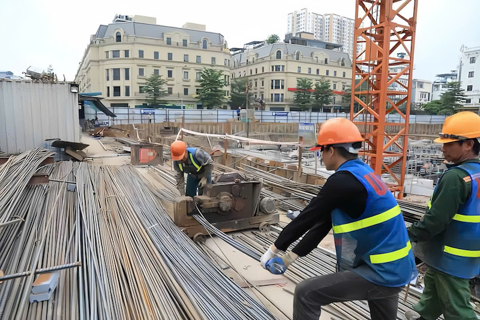
Tet renovation rush strains Hanoi crews, lifts finishing material costs prices

Tet renovation rush strains Hanoi crews, lifts finishing material costs prices

Hanoi’s home renovation market has entered its busiest stretch of the year, as year-end demand tightens contractor availability and raises the cost of finishing materials.

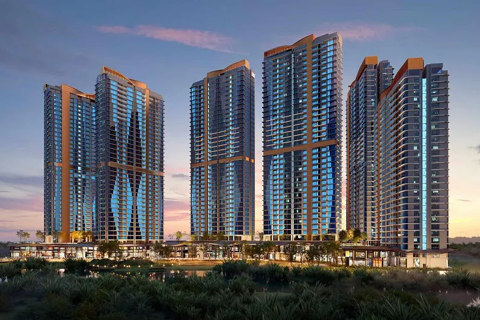
Vietnam construction materials rebound as prices rise and public investment accelerates

Vietnam construction materials rebound as prices rise and public investment accelerates

Rising steel and cement prices, stronger public investment spending and improving consumption across key material segments point to a broad recovery in Vietnam’s construction materials sector as 2026 begins.

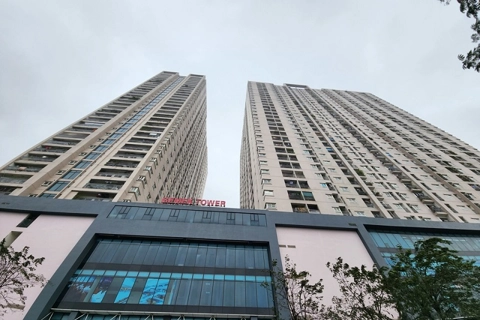
Hanoi sets 40 sq.m housing space goal to lift urban living standards

Hanoi sets 40 sq.m housing space goal to lift urban living standards

Raising average housing space marks a people-centered shift in urban policy as the capital works to improve living standards, expand social housing and ensure that rapid economic growth goes hand in hand with safer and more livable neighborhoods.

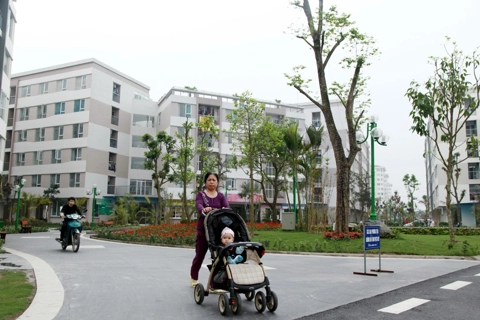
Prime Minister urges measures to boost supplies and control house prices

Prime Minister urges measures to boost supplies and control house prices

Vietnam’s government is stepping up efforts to rebalance the real estate market as Prime Minister Pham Minh Chinh urges faster policy action to expand housing supply, address affordability pressures and ensure the sector supports both economic stability and social welfare.

Ho Chi Minh City forms first professional association for apartment management

Ho Chi Minh City forms first professional association for apartment management

Amid rapid urban growth, Ho Chi Minh City has established a professional body for apartment management, becoming the first locality in Vietnam to do so.

Real estate credit surge prompts tighter oversight to safeguard Vietnam’s financial stability

Real estate credit surge prompts tighter oversight to safeguard Vietnam’s financial stability

Vietnam’s real estate sector has absorbed a sharp rise in credit, supporting market recovery while raising concerns over capital concentration, speculative risks and the need for tighter policy coordination.

Revised housing roadmap doubles social housing targets for Hanoi

Revised housing roadmap doubles social housing targets for Hanoi

Vietnam’s push to accelerate affordable housing has significantly raised expectations for major cities, with Hanoi now tasked with delivering a far larger volume of social homes as part of the national goal to build more than one million units by 2030.

Social housing supply exceeds targets in 2025 as Vietnam tackles property imbalances

Social housing supply exceeds targets in 2025 as Vietnam tackles property imbalances

Vietnam surpassed its social housing construction target in 2025, marking progress in housing policy, but supply mismatches, high prices and legal bottlenecks continue to weigh on the real estate market.